
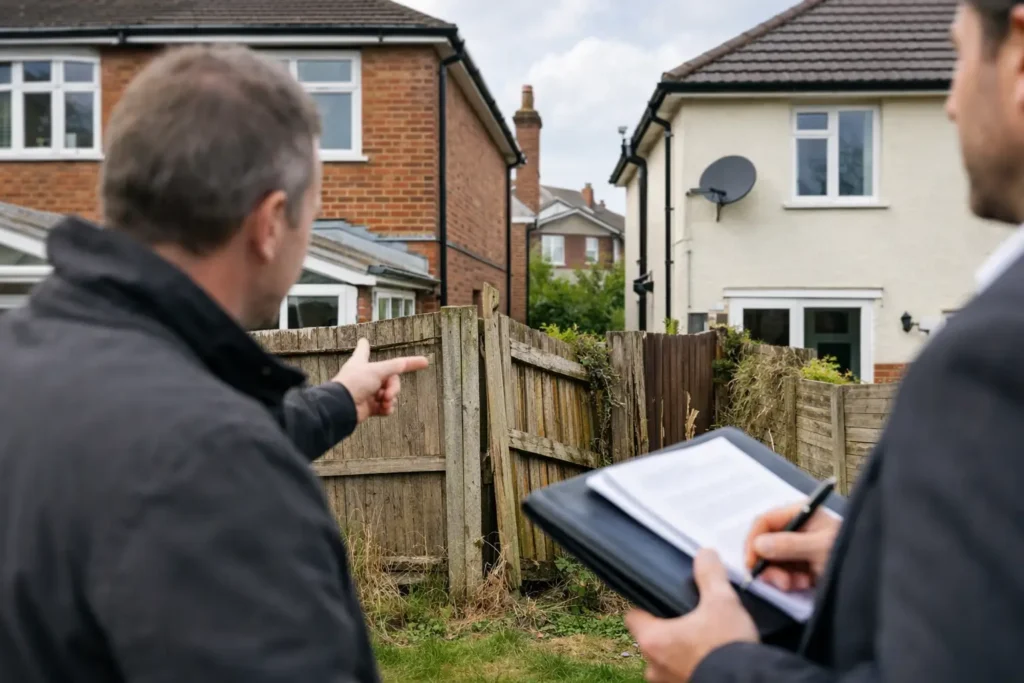
A property dispute can make a home feel impossible to deal with. Perhaps a buyer has pulled out after a boundary argument, siblings cannot agree what to do with an inherited house, or a tenant situation is holding up your plans. Property dispute solicitors can be invaluable when your rights, money or ability to sell are at risk. But legal action is not always the only route forward - and, in some cases, selling the property in a clear, agreed way can bring matters to a close sooner.
The right next step depends on what is being disputed, who is involved and how urgently you need a resolution. If the property has become a source of stress, debt or family tension, it helps to understand your options before the problem becomes more expensive.
What do property dispute solicitors do?
Property dispute solicitors advise people when there is a disagreement over a property, land, ownership or the rights attached to it. Their role is to establish the legal position, protect your interests and try to reach a workable outcome. That might mean writing to the other party, negotiating a settlement, arranging mediation or, where necessary, taking a case to court.
Many disputes can be settled without a hearing. Court proceedings are usually a last resort because they can be costly, slow and emotionally draining. A solicitor can explain the strength of your case and the likely cost of pursuing it, rather than simply telling you what you want to hear.
This is particularly important when a property sale is involved. You may be entitled to sell, but a dispute can affect the timing, sale price or whether a buyer is willing to proceed. Getting proper advice early can prevent an avoidable delay later.
Common disputes that can hold up a house sale
Disagreements come in many forms, and some are easier to resolve than others. The most common issues include boundary disputes with a neighbour, arguments about rights of way, and uncertainty over who owns a strip of land, driveway or shared access.
Co-owner disputes are also common. An unmarried couple may separate while jointly owning a home. Family members may inherit a property but disagree about whether to keep it, let it or sell it. One owner may want their money released while another is not ready to move.
Landlords can face a different set of difficulties. A tenant may dispute arrears, the condition of the property or the validity of a notice. There may also be a disagreement with a managing agent, a leaseholder or a freeholder. These situations do not necessarily prevent a sale, but they need to be handled openly and properly.
Other problems arise from defective paperwork, restrictive covenants, access arrangements, unpaid service charges or an old agreement that has never been formally documented. What looks like a small technical issue can become a serious obstacle once solicitors start reviewing the title during a conventional sale.
When legal advice is likely to be worthwhile
You should consider speaking to a solicitor promptly if somebody has threatened legal action, you have received a formal letter, or there is a real risk of losing money or your share of the property. The same applies if an ownership issue is unclear, a co-owner refuses to cooperate, or you need to understand whether you can sell without another person’s agreement.
A solicitor is especially useful where emotions are running high. Family disputes and neighbour conflicts can quickly become personal. Having a professional deal with correspondence can lower the temperature and keep the conversation focused on practical solutions.
That said, legal advice does not automatically mean you have to begin a lengthy dispute. Sometimes the most useful outcome is a negotiated agreement that allows a sale to happen. In other cases, a solicitor may tell you that pursuing the matter is unlikely to be proportionate to the cost. Clear advice can save you from spending months fighting over an issue that could be resolved another way.
Can selling the property resolve the dispute?
Sometimes, yes. A sale can turn an argument about a difficult asset into a discussion about how the proceeds should be divided. For co-owners who no longer wish to be tied together, selling may provide a clean financial break. For beneficiaries of an estate, it can release funds and remove the burden of maintaining an empty property.
However, it depends on the dispute. If there is a question over ownership, an unresolved restriction on the title or a boundary issue that materially affects the property, it may need attention before completion. A buyer will need accurate information, and trying to hide a known problem can create further trouble later.
Where everyone with an interest in the property agrees to sell, a direct sale may be simpler than placing the home on the open market. There are fewer viewings, no chain to manage and less chance of a buyer withdrawing after a long period of uncertainty. This can be helpful when the property is vacant, needs work or is difficult to maintain while a dispute is ongoing.
For some sellers, the priority is not achieving the highest possible price after months of marketing. It is certainty, a defined timescale and the chance to move on. A fair offer should still be considered carefully, with a full understanding of what you are giving up in return for speed.
Practical steps before you make a decision
Start by gathering the documents you already have. Title deeds or Land Registry information, a lease, any wills or grant of probate paperwork, correspondence with neighbours or tenants, and records of payments can all help clarify the position. Do not worry if your paperwork is incomplete - a solicitor can often obtain further information - but keeping everything together will make discussions easier.
Try to separate the legal issue from the personal history around it. You may have very understandable reasons for feeling frustrated or hurt, but the immediate question is what needs to happen for the property situation to be resolved. Is there an agreement that could be reached? Does somebody need to buy out another owner’s share? Would a sale release money and reduce ongoing costs?
Be realistic about timescales. A court case can take a long time, particularly if the facts are disputed. Mediation may be quicker, but it requires both sides to engage. A standard estate agency sale can also stall if the property has a complicated history or a buyer’s solicitor raises enquiries that take weeks to answer.
If you are considering a fast sale, be open about the issue from the first conversation. A reputable property buying company should explain whether the dispute affects its ability to buy and what information it needs. Quick Property Sale approaches each situation individually, because an inherited home with several beneficiaries needs a different solution from a tenanted flat or a house affected by a neighbour disagreement.
Questions to ask property dispute solicitors
The first conversation should leave you clearer, not more overwhelmed. Ask what your realistic options are, whether a negotiated settlement is possible and what evidence will be needed. It is also sensible to ask how fees will be charged, what the likely timescale is and what could cause costs to rise.
If a sale is one option, ask whether it can proceed before the dispute is fully resolved and how the proceeds would be protected or divided. Where there are multiple owners or beneficiaries, everyone may need independent advice. One solicitor cannot usually act for people whose interests are in conflict.
You should also ask about the consequences of doing nothing. An empty property can still bring council tax, insurance, mortgage payments and repair bills. A rental property may continue to create responsibility even when it is no longer providing the income you expected. Understanding the ongoing cost often makes the right decision easier to see.
Put certainty ahead of more delay
There is no prize for carrying a property problem alone. Whether you need formal legal support or a straightforward sale, the aim is to regain control of a situation that has been weighing on you. Get the facts, consider the cost of every option and choose the route that gives you the most realistic chance to move forward with confidence.
A difficult property does not have to keep dictating your next step. A calm conversation with the right professional can be the point where the pressure starts to lift.