
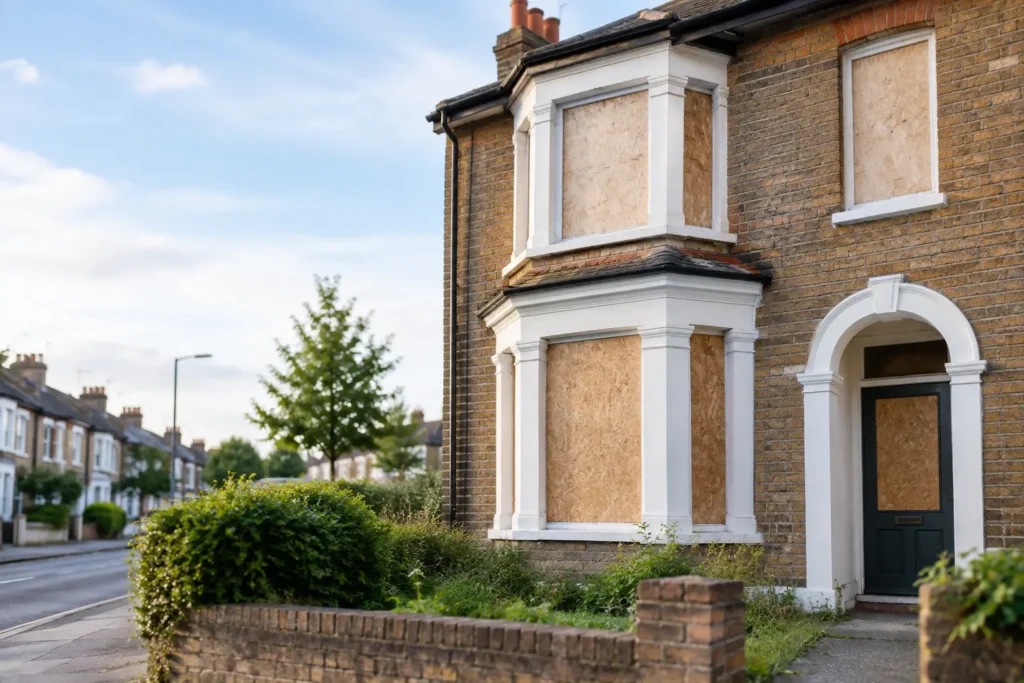
An empty home can become expensive far sooner than most owners expect. The council tax, insurance, heating, maintenance and security concerns do not pause simply because nobody is living there. Finding the best solutions for vacant homes starts with being honest about what the property is costing you – financially, practically and emotionally – and deciding what will genuinely help you move forward.
For some people, a vacant property is an inherited family home that is difficult to sort through. For others, it is a former rental, a property sale that has fallen through, or a house left empty after a move, separation or relocation. There is no single right answer. The best route depends on the home’s condition, your available time, your need for certainty and whether you can afford to wait.
Why vacant homes need a clear plan
A vacant property can deteriorate quietly. A small roof issue, a leaking pipe or a failed boiler may go unnoticed until the repair bill becomes much larger. Empty homes can also be more vulnerable to break-ins, vandalism and squatters, particularly if neighbours know the property is unoccupied.
Insurance can be another concern. Many standard home policies restrict cover after a property has been empty for a set period, often 30 or 60 days. You may need specialist unoccupied property insurance, and insurers commonly require regular inspections, functioning alarms and a maintained heating system during colder months. Check the policy wording rather than assuming you are covered.
There may also be council tax to pay. Some local authorities offer discounts in limited circumstances, while others apply a premium to homes that have been empty for a long time. The rules vary across Great Britain, so it is worth checking directly with your local council before costs build up.
The best solutions for vacant homes depend on your priorities
The question is not simply, “What will make the most money?” It is also, “How quickly do I need this resolved?” and “How much work can I realistically take on?” A property that could achieve a higher price after six months of improvements may still be the wrong option if it is creating debt pressure, family strain or ongoing worry.
Keep the property secure while you decide
If you are not ready to sell or let the home immediately, protecting it is the first job. Visit regularly or arrange for someone reliable to inspect it. Redirect post, secure outbuildings, keep the exterior looking occupied and deal with small maintenance problems promptly.
This is a sensible short-term solution when probate is still underway, paperwork is incomplete or family members need time to agree on the next step. It is not usually a long-term plan, however. Holding an empty home without a clear end date can turn a manageable cost into a growing burden.
Let the property if the numbers work
Letting can create an income and preserve the property as a long-term asset. It may suit an owner who has sufficient savings for repairs, is comfortable meeting landlord responsibilities and has a property in an area with strong rental demand.
But letting is not passive income, particularly at the beginning. The home may need safety upgrades, decorating, compliance checks and repairs before a tenant can move in. You will need to consider gas safety, electrical requirements, deposit protection, right-to-rent checks where applicable and the cost of management. If the property needs substantial work or you need cash quickly, becoming a landlord may add pressure rather than remove it.
Renovate before selling
A targeted refurbishment can make a home easier to sell and may improve the price achieved. Basic work such as clearing clutter, repairing obvious damage, refreshing tired décor and improving kerb appeal can change buyers’ first impressions.
The trade-off is that renovation costs money upfront and projects often take longer than planned. Major works can expose further issues once they begin, especially in older properties. Before committing, compare the likely extra sale value with the full cost of works, holding costs and the time you will spend managing tradespeople. A full renovation is rarely worthwhile just because a property looks dated.
Sell through an estate agent
An estate agent sale can be a good fit if the home is presentable, you can wait for the right buyer and achieving the best possible open-market price is your main goal. This route gives the property broad exposure and may attract buyers willing to pay more for a home they can move into quickly.
There are uncertainties to accept. Viewings, negotiations, mortgage valuations and chains can all slow the process down. Even after an offer is accepted, a buyer can withdraw or try to renegotiate following a survey. For a vacant property, every extra month means more bills, inspections and risk.
Consider auction for a defined timescale
Auction can provide a set date and may attract cash buyers for properties needing work, homes with unusual features or assets that are hard to finance with a standard mortgage. Once the hammer falls, there is usually a binding commitment and a short completion period.
It is worth looking carefully at the fees, reserve price and legal pack requirements before choosing this route. There is no guarantee a property will sell at the figure you hope for, and the final result can be affected by the level of bidding on the day through generated advertised interest. Auction is most useful when certainty of timetable matters more than controlling every part of the selling process.
Sell directly for speed and certainty
A direct property sale can be a practical answer when the house is empty, needs work or has become too much to manage. Rather than preparing for viewings and waiting for a buyer’s mortgage, you discuss the property and your circumstances with a buyer that can make an offer directly.
This route is often chosen by people dealing with probate, debt worries, relocation, a failed sale or an unwanted rental. A direct sale will not usually produce the same figure as a successful open-market sale after months of marketing. In return, it can reduce uncertainty, avoid repeated viewings and allow a completion date that works around your situation.
A reputable buyer should explain how they reached their offer, be clear about fees and give you time to consider alternatives. Do not feel pressured to accept the first option presented. The right decision is the one that reflects both the property value and the cost of keeping the problem unresolved.
Work out the real cost of waiting
Before choosing a route, put the monthly cost of the empty property on paper. Include the mortgage if there is one, council tax, insurance, utilities, security, travel, maintenance and likely repair costs. Then consider the less visible cost: the time spent chasing paperwork, worrying about the house and putting other decisions on hold.
A simple comparison can bring clarity. If renovating and selling through an agent could bring a higher price, estimate how long that route may take and what you will spend getting there. If you need a straightforward sale now, weigh that potential extra price against the certainty and relief of a quicker solution.
For property portfolio landlords, the calculation should also include lost rent, void periods and the wider performance of the portfolio. One persistently empty or underperforming property can tie up funds that may be better used elsewhere.
Questions to ask before you commit
Whether you choose to let, renovate, auction or sell, ask for the key facts in writing. What will it cost? What could delay the process? Who is responsible for legal work, repairs and insurance until completion? Is there any obligation if you change your mind?
If you are selling directly, ask whether the buyer has the funds to proceed and whether they will reduce their offer later. If you are using an agent, ask how they will qualify buyers and what happens if a sale falls through. Clear answers are more valuable than optimistic promises.
Quick Property Sale can discuss a direct purchase where it fits, while helping you understand the alternatives if another route would be better for you. A vacant home is not just a building to dispose of. It is often a responsibility that has arrived at the wrong time.
You do not have to keep carrying that responsibility alone. Once you know the real cost of waiting and the trade-offs behind each option, you can choose a route that gives you back control and lets you move on with confidence.