
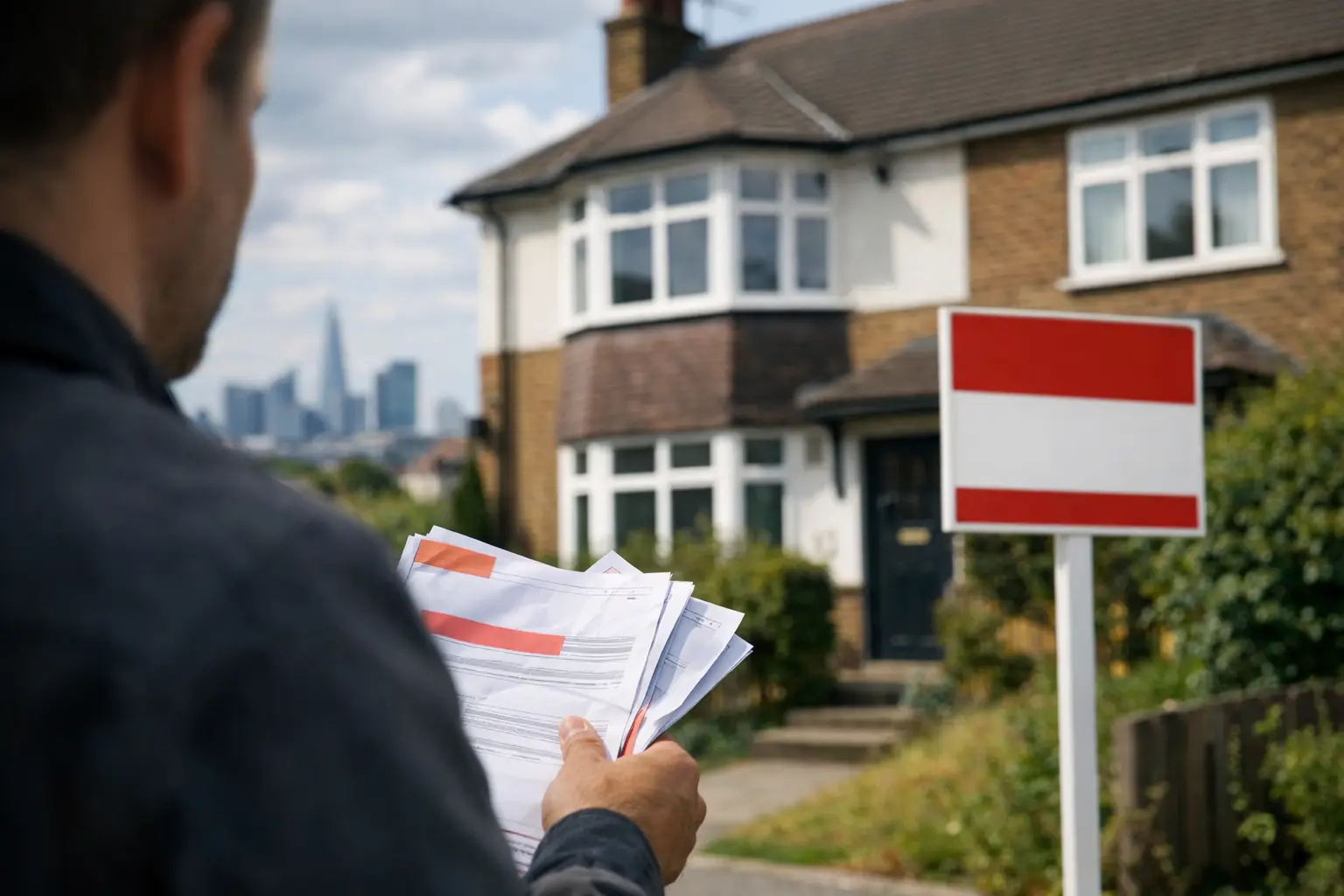
If you are asking, “can you sell a house with arrears?”, the answer is usually yes. Arrears do not automatically stop you selling. But the type of debt, how far behind you are, and whether there is enough equity in the property will affect how the sale needs to be handled. It’s important to consider all your options, especially if you’re wondering, can you sell house with arrears.
For many people, the hardest part is not the paperwork. It is the pressure of letters, phone calls, rising balances and the fear that time has run out. A sale can provide a way forward, particularly where keeping the property is no longer realistic. The key is to act early, understand what must be repaid on completion, and choose a route that fits your timescale.
This is a common concern for many homeowners facing financial difficulties, as knowing whether you can sell house with arrears can significantly impact your decision-making process.
Can you sell a house with mortgage arrears?
Yes. You can put your home on the market and accept an offer while you are in mortgage arrears, including if your lender has started possession action. In fact, selling before repossession is often preferable because you retain more control over the price, timing and process.
Your mortgage lender usually has a first legal charge over the property. This means your solicitor must repay the outstanding mortgage from the sale funds when the transaction completes. The redemption figure will include the mortgage balance, any missed payments, interest and applicable fees. Your solicitor requests this figure directly from the lender before completion, so there should be no uncertainty about what is owed.
If the sale price covers the mortgage and selling costs, the remaining money is yours. If it does not, you are in negative equity. You may still be able to sell, but the lender must agree because its charge cannot be removed without the full debt being settled or a separate arrangement for the shortfall.
Do not assume that a buyer’s offer means the lender will accept a loss. Speak to the lender as soon as possible, explain that you are pursuing a sale, and ask what information they need. Keeping a record of offers, valuations and your proposed timescale can help show that you are taking reasonable steps.
If repossession proceedings have started
Court proceedings are serious, but they do not always mean a sale is impossible. There may still be time to sell before a possession hearing or eviction date, although every case is different. Tell your solicitor, conveyancer and buyer about any fixed deadlines from the outset.
An open-market sale can take months and may fall through late in the process. Where a possession date is close, certainty can matter as much as achieving the highest possible asking price. A direct property buyer can sometimes offer a quicker, chain-free route, but you should still consider the offer carefully and make sure you understand how it compares with the likely open-market value.
What happens to other arrears when you sell?
Can You Sell House With Arrears? Key Considerations
Not all arrears are treated in the same way. The first question is whether the debt is secured against your home.
A secured loan, second-charge mortgage or equity-release plan is tied to the property in much the same way as your main mortgage. It will normally need to be repaid from the sale proceeds. A charging order may also be registered against the title. Your solicitor will identify registered charges during the conveyancing process and arrange for them to be cleared on completion.
Rent arrears can be more complicated for landlords selling a tenanted property. Selling the property does not wipe out the tenant’s arrears, and the buyer may or may not agree to take on the tenancy depending on the sale terms. You should be clear about the rent account, deposit protection and any possession notices. Trying to hide arrears or a dispute is likely to delay the sale and could cause it to collapse.
Council tax, energy bills, credit cards and personal loans are generally unsecured debts. They do not usually have to be paid by your conveyancer from the sale money unless a charge has been registered against the property. However, the money released by a sale may affect arrangements with creditors, benefits or an insolvency process. Get independent debt advice before deciding how to use the proceeds.
Work out whether a sale will solve the problem
Before committing to a sale, obtain a realistic valuation and ask your mortgage lender for a current redemption statement. Then account for any other secured borrowing, estate agency fees if applicable, legal fees, removal costs and early repayment charges.
This is not about producing a perfect spreadsheet while you are under strain. It is about knowing whether the sale is likely to leave you with funds to move on, break even, or create a shortfall that needs to be negotiated.
A quick sale can reduce further interest, arrears charges and the risk of repossession. On the other hand, selling quickly can mean accepting less than you might achieve through a longer open-market campaign. If you have time, a traditional estate agent sale may be worth considering. If you need a fixed timescale, have a property in poor condition, or simply cannot face viewings and a chain, a direct sale may be more suitable.
The right choice depends on your finances, your deadline and what certainty is worth to you.
Steps to take if you need to sell with arrears
Start by opening and keeping every letter from your lender or creditor. Deadlines matter, especially where court action has begun. Contact your mortgage lender and tell them you intend to sell. They may pause or review action while a genuine sale is progressing, although this is never guaranteed.
Next, speak with a solicitor or conveyancer who is comfortable dealing with a sale involving arrears, charges or a tight deadline. They can check the title, request redemption figures and explain what must happen for the buyer to receive clear ownership.
It is also sensible to get free, independent debt advice. An adviser can look at the full picture, including income, other debts and whether selling is your best option. In some situations, an affordable repayment plan, a change to your mortgage arrangement or extra time from the lender could give you breathing space. In others, a sale is the clearest way to stop the situation getting worse.
When choosing how to sell, be upfront about the property’s condition, occupants, any notices received and your preferred completion date. This helps avoid wasted time. A serious buyer should explain their offer, timescale and costs in plain English, without pressuring you to make a rushed decision.
Selling an inherited or empty property with arrears
Arrears are not limited to owner-occupied homes. You may be responsible for an inherited property with an outstanding mortgage, an empty flat where service charges have built up, or a rental that is costing more than it brings in.
With probate properties, the personal representatives need legal authority to sell, and the mortgage must continue to be dealt with while the estate is administered. Letting the lender know early can prevent misunderstandings. With leasehold homes, obtain details of any ground rent and service-charge arrears, as these can affect the buyer’s willingness to proceed and the final amount available from the sale.
For landlords, a poor-performing rental can become an expensive burden surprisingly quickly once void periods, repairs, mortgage costs and tenant issues start to overlap. Selling does not make every debt disappear, but it can stop a property from continuing to drain your finances.
Protect yourself from avoidable pressure
People facing arrears are often approached with promises of instant cash or unrealistic prices. Take your time to check who you are dealing with, ask for every cost to be explained, and never sign documents you do not understand. A genuine solution should make your position clearer, not more confusing.
At Quick Property Sale, the focus is on discussing your circumstances first, then offering a straightforward route if a fast, direct sale is right for you. There is no single answer that suits every homeowner, and it is better to know your alternatives before you commit.
Arrears can make it feel as though the property is no longer yours to decide about. That is rarely true at the beginning of the process. Taking advice and exploring a sale now can give you choices, protect more of your equity and help you move forward on terms you understand.





0 Comments