
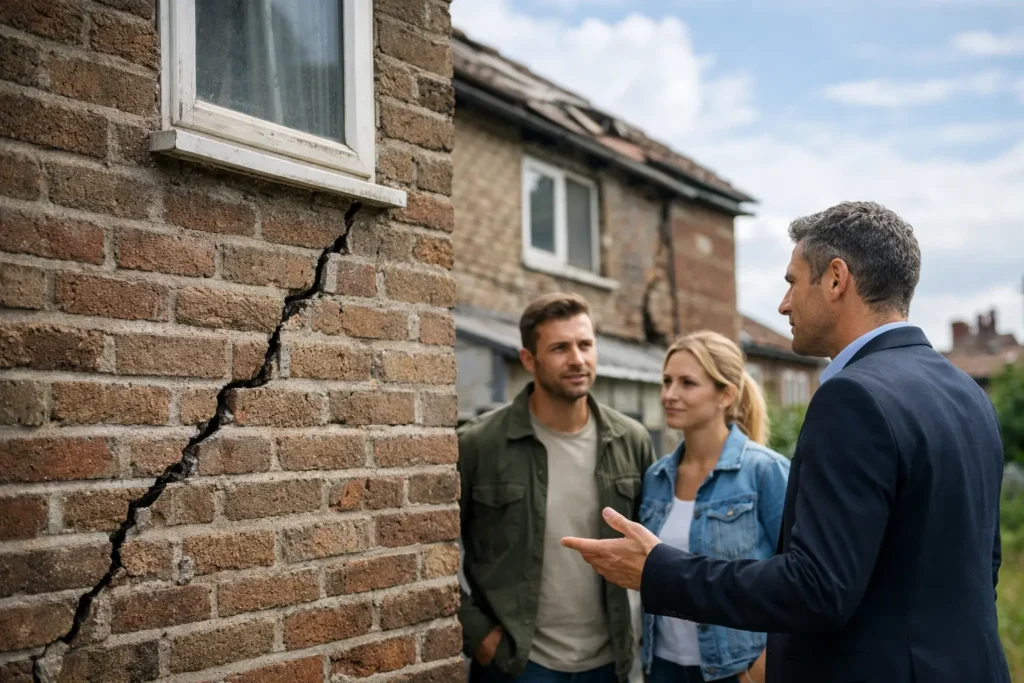
A crack running through a wall can make a home feel impossible to sell, particularly when you are already dealing with probate, debt, an empty property or a move you cannot delay. But selling house with structural issues is possible. The right route depends on what the problem is, how much certainty you need and whether spending more money on repairs would genuinely improve your position.
The key is not to ignore the issue or hope a buyer will overlook it. Be clear about what is known by engaging a structural surveyor to check the building, get the facts where you can, and choose a sale method that fits your timescale. For some owners, repairing and selling on the open market makes sense. For others, an as-is sale is the practical way to draw a line under a difficult property and move on.
What counts as a structural issue?
Structural issues affect the parts of a property that keep it stable and safe. They can range from historic movement that has long since been resolved to active subsidence requiring investigation and repair. A surveyor or structural engineer is best placed to establish the cause, severity and likely remedy.
Common concerns include significant or widening cracks, subsidence or heave, movement around bay windows, roof spread, bowing walls, failed lintels, damp-related timber decay, and chimney or foundation problems. Not every crack is structural. Small hairline cracks can result from plaster shrinkage, normal settlement or changes in temperature. Equally, a cosmetic repair is not a solution if a building is still moving.
This distinction matters because buyers, lenders and insurers will all take a different view depending on the evidence. A property with a documented, completed subsidence claim may be easier to sell than one with unexplained cracking and no professional assessment.
Start with the evidence, not assumptions
If you have a report, insurance correspondence, guarantees, building control paperwork or invoices for previous work, gather it before putting the property on the market. These documents can answer questions before they become reasons for a buyer to hesitate.
Where the issue is new or unclear, paying for an independent inspection may feel like another unwelcome expense. However, a clear report can prevent months of uncertainty. It may confirm that the concern is minor, identify a manageable repair, or give you a realistic basis for pricing the property.
Do not feel pressured into commissioning every possible report if money is tight and you need a quick sale. A direct buyer may assess the property themselves and make an offer that reflects the risk and repair work involved. The useful question is whether further investigation will change your decision, not whether the property can be made perfect.
Be open about known defects
When selling a property in Great Britain, you should answer pre-contract enquiries honestly and avoid misleading a buyer. If you know about subsidence, historic underpinning, major cracks, insurance claims or structural repairs, say so. Your conveyancer will help you complete the relevant paperwork, including the property information form.
Trying to cover cracks with fresh plaster or paint without disclosing the underlying cause can create a far bigger problem later. A buyer may withdraw when a survey reveals the issue, seek a price reduction, or raise a complaint after completion if they believe they were misled.
Honesty does not mean presenting the home in the worst possible light. It means explaining the facts plainly. If repairs have been carried out, provide the evidence. If the cause is not yet known, say that too. A serious buyer will value clarity more than a vague reassurance.
Your options for selling a house with structural issues
There is no single best option. The appropriate route comes down to your available time, appetite for uncertainty and ability to fund repairs.
Repair first, then sell through an estate agent
Repairing the problem before marketing may help achieve a stronger price, especially in an area where buyers have plenty of choice. It can also make mortgage lending more straightforward if the repair is supported by a guarantee and professional paperwork.
The trade-off is cost and time. Structural work can uncover further issues, require insurer involvement or take longer than expected. Even after repairs, buyers may still be cautious, and an agreed sale can fall through if their surveyor takes a different view. This route is often more suitable when you are not under pressure to sell and have funds set aside.
Sell as-is on the open market
You can market a property in its current condition, with the issue disclosed and the asking price adjusted accordingly. Some builders, investors and experienced buyers actively look for homes they can improve.
This can work well, but it is rarely a quick or certain route. Mortgage buyers may struggle to obtain finance, particularly where a survey recommends urgent work. You may receive offers that are reduced after the survey, or lose buyers altogether. If the home is empty, every extra month may bring council tax, insurance, maintenance and security worries.
Sell at auction
Auction can attract cash buyers who understand renovation risk. Once the hammer falls, the buyer is normally committed to a fixed completion timetable, subject to the auction terms.
However, there is no guarantee of the price achieved, and fees apply whether or not the result meets your expectations. The legal pack needs preparing in advance, and a low guide price may be needed to generate interest. Auction is best considered when you are comfortable with price uncertainty and the property is likely to appeal to investors.
Sell directly to a property buying company
A direct sale can offer a clearer path where speed and certainty matter more than achieving the highest possible price. A reputable buyer can assess the condition, make an offer based on the work required and buy without asking you to carry out repairs first.
The offer will reflect the structural issue, local values and the buyer taking on risk. That is the compromise for avoiding repeated viewings, survey renegotiations and a long chain. Before agreeing, ask how the offer is calculated, whether there are any fees, whether the buyer is using their own funds, and what happens if the survey identifies something new.
Quick Property Sale can discuss an as-is sale and other available routes, so you can decide what gives you the most workable way forward.
How structural problems affect value and timescales
There is no standard percentage reduction for structural defects. A small, well-documented historic repair may have limited impact. Active subsidence, extensive movement or a property that is difficult to insure can reduce the pool of buyers substantially.
The value impact is usually more than the cost of the physical repair alone. A buyer may also factor in professional fees, disruption, insurance excesses, the possibility of further damage, and the difficulty of reselling later. That can feel frustrating, but it is better to plan around a realistic figure than begin with a price that keeps the property sitting unsold.
If you need to sell quickly, certainty may have its own value. Avoiding six months of mortgage payments, void costs, service charges or stress can make a lower but dependable offer the better financial outcome in your circumstances.
Protect yourself when choosing a buyer
Structural issues can make homeowners feel vulnerable to pressure. Take time to check who you are dealing with, even if your situation is urgent. A genuine buyer should be willing to explain the process in plain English and give you space to consider the offer.
Ask for written confirmation of the proposed price, timescale and any deductions. Check whether you will pay for surveys, legal work or administration. If the buyer says they can complete quickly, ask what evidence they have that the funds are available. Use an independent solicitor to represent your interests and read every document before signing.
You should also be wary of a high initial offer that is later reduced without a clear reason. A fair buyer may need to revise an offer if a survey uncovers a serious undisclosed problem, but they should show you why and allow you to make an informed choice.
You do not need a perfect property to move forward
A structural issue can delay a sale, but it does not have to keep you stuck. Whether the home came through inheritance, has become an expensive rental burden or simply needs more work than you can take on, there are practical choices available.
Start with what you know, be upfront about the condition and focus on the outcome you need most. A sale that is clear, fair and achievable can be the point at which a difficult property stops taking up space in your life.