
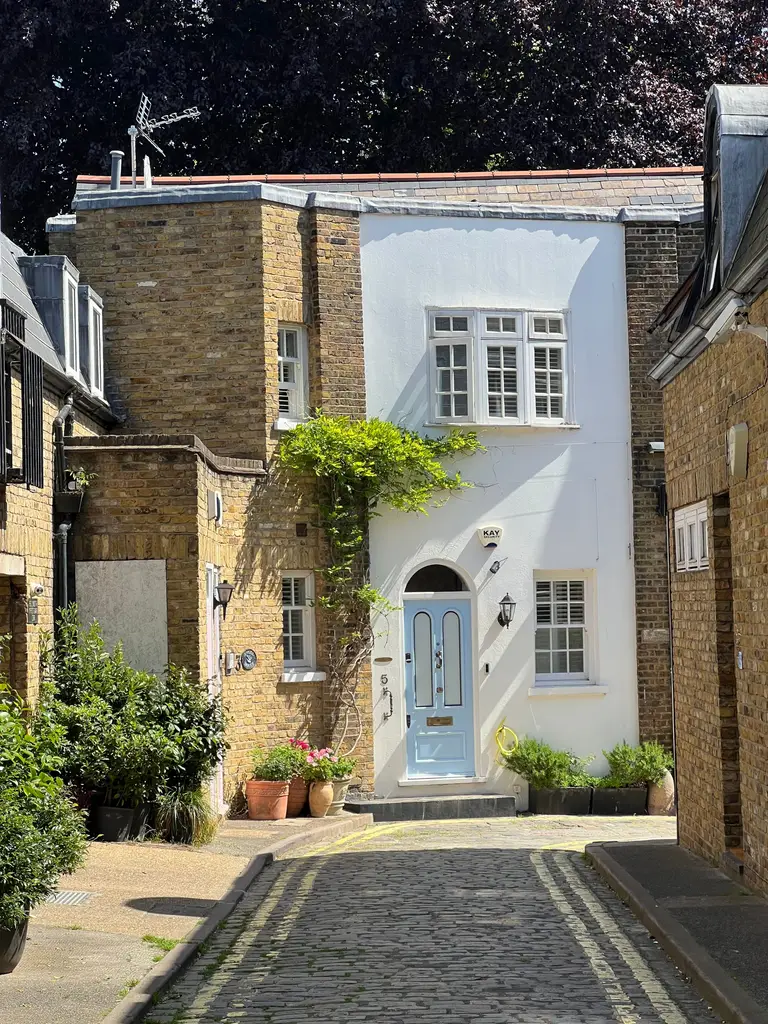
A sale can feel close to completion, only for a buyer’s solicitor to raise a question about a room, passageway or boundary that nobody expected. That is often how sellers first hear the term flying freehold properties. It can sound alarming, particularly if you need to sell quickly, but a flying freehold does not automatically make a home unsellable. It simply means the legal detail needs to be understood early, so there are fewer surprises later.
For homeowners dealing with probate, an empty house, a difficult tenant situation or a sale that has already fallen through, certainty matters. Knowing what a flying freehold is, what buyers and lenders may ask for, and which route suits your circumstances can help you regain control.
What are flying freehold properties?
A flying freehold exists where part of one freehold property extends over, under or through a neighbouring freehold property. The affected area is owned by one person but physically relies on land or a building owned by someone else.
A common example is a bedroom built above a shared alleyway between two terraced houses. Other examples include a first-floor room extending over a neighbour’s ground-floor space, a cellar running beneath the adjoining property, or a property built above an archway. Some older converted buildings can also have similar arrangements.
The word “flying” refers to the part of the home that crosses the usual vertical boundary line. The rest of the property may be entirely straightforward freehold. This is different from a leasehold, where the whole property is held under a lease and a freeholder owns the wider building or land.
Flying freeholds are particularly common in older housing stock across Britain. Many have existed for decades without causing a practical problem between neighbours. The issue tends to arise when a property is sold, remortgaged, altered or when repairs are needed.
Why can a flying freehold delay a sale?
The concern is not usually the room itself. It is whether the title deeds give each owner clear legal rights to support, shelter, protection and access for repair. If a section of your home sits above your neighbour’s property, it may depend on their wall, roof or structure. Equally, they may need access through your property to maintain their own home.
If these rights are clearly set out in the title, a buyer’s solicitor and mortgage lender may be content. If they are missing, unclear or incomplete, the buyer may be asked to obtain further legal protection before proceeding.
Mortgage lender policies differ. Some lenders will lend on a property with a modest flying freehold where the legal position is acceptable. Others may have limits on how much of the property is affected, or may require a particular solution. This can reduce the number of buyers who are able to proceed with a mortgage, even where the property is otherwise attractive.
A buyer may also worry about future repairs. For example, if work is needed to the structure supporting the flying section, who can arrange it, who pays for it, and can contractors enter the neighbouring land if necessary? A good relationship with a neighbour is reassuring, but informal goodwill is not always enough for a solicitor or lender.
None of this means a sale will fail. It means that waiting until late in conveyancing to address the issue can cost time, money and momentum.
Preparing to sell a flying freehold property
The most useful step is to be open about the arrangement from the beginning. Your solicitor can review the registered title and any older deeds to establish exactly what is owned and what rights are included. Do not assume an estate agent’s description, a neighbour’s understanding or a historic mortgage confirms the current legal position.
Check the title before accepting an offer
Ask your solicitor to look specifically for rights of support, protection and access. They will also consider whether there are obligations requiring either owner to contribute towards repairs. If you have bought the property with a mortgage before, the lender and solicitor involved at that time may have raised relevant queries, although paperwork from a previous purchase is not a substitute for a fresh review.
If you know that your neighbour has carried out work near the shared structure, or that there has been a disagreement over access, tell your solicitor early. A problem that is disclosed and handled properly is usually easier to manage than one discovered through a buyer’s enquiries.
Gather practical evidence
Paperwork will not solve every title issue, but it can make the process clearer. Keep together any building regulations certificates, planning papers, structural reports, guarantees and invoices for work around the affected area. If you have written agreements with the adjoining owner about access or repairs, provide those too.
Where the arrangement has operated peacefully for many years, that history can be useful context. However, a buyer’s solicitor may still need a formal legal solution rather than relying on past practice.
Understand the possible legal solutions
The right solution depends on what the title says and whether the adjoining owner is willing to cooperate. In some cases, indemnity insurance may be considered. This is a policy intended to protect against certain financial losses arising from a title defect. It can be quick to arrange, but it does not create rights of access or force a neighbour to agree to works.
In other cases, the owners may enter into a deed setting out rights and responsibilities. This can provide more certainty, but it may take longer and involve the neighbour, their solicitor and sometimes their mortgage lender. A deed may be more suitable where significant repairs or future alterations are likely.
Your solicitor should advise on the available options. The best route is not always the most detailed or the most expensive one. It is the one that gives the proposed buyer and lender enough confidence without creating unnecessary delay.
Selling flying freehold properties when time matters
If you are selling through the open market, it is sensible to make your estate agent aware of the flying freehold from the outset. They can then manage buyer expectations and avoid presenting the home as uncomplicated when it may need extra legal work. A buyer with a lender that is comfortable with the arrangement may still proceed, but their conveyancing timetable could be longer.
Where a sale has already stalled, ask for a clear explanation of the objection. Is the issue a missing right in the title, a lender’s internal policy, a request for indemnity insurance, or simply a buyer who has become nervous? These are different problems and require different responses.
You may decide that waiting for a mortgage buyer is worthwhile if achieving the highest possible open-market price is your priority and you have time available. But where the property is costing you money, a probate deadline is looming, a chain is under pressure or you need to move on after a difficult period, speed and certainty may carry more value.
A direct cash sale can be an option in those circumstances. A professional property buyer will still assess the title and any legal risk, so it is not a way of hiding an issue. However, a buyer used to complex properties may be able to make a decision without the uncertainty of a standard mortgage chain. The offer will reflect the property’s condition, location, title position and the timescale you need, but the process can be more straightforward.
At Quick Property Sale, the starting point is a frank conversation about the property and the situation around it. If a direct sale is not the best answer, you should be told that clearly. You should never feel pushed into accepting an offer before you understand the figures, the process and your alternatives.
Do not let an unfamiliar term make the decision for you
A flying freehold is a legal feature, not a judgement on your home. Plenty of affected properties sell every year, particularly when sellers identify the issue early and provide buyers with clear information. The trade-off is that some sales need more patience, more paperwork or a buyer with the right funding.
If the property has become a burden, start by finding out exactly what the title says and what a realistic sale route looks like. A clear answer, even where the situation is complicated, is often the first step towards moving on with confidence.