
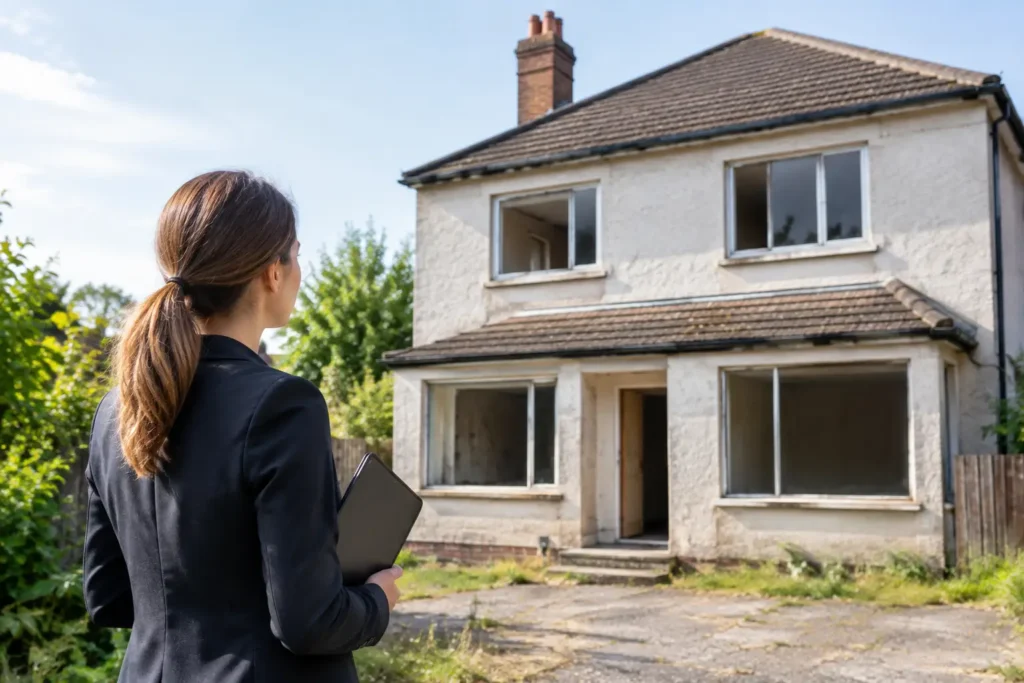
An empty house can become expensive surprisingly quickly. There may be council tax, utilities, insurance conditions, security worries and the constant concern that a small issue will worsen while nobody is there. If you need to sell empty property without repairs, you do have options. You do not have to spend months managing builders, clearing every room or waiting for the perfect buyer to appear.
The right route depends on your timescale, the property’s condition and how much certainty you need. For some sellers, a conventional sale still makes sense. For others, particularly when the home needs serious work or is costing money each month, a direct sale can provide a clearer way forward.
Why empty properties are difficult to sell
Buyers often see an empty property and assume there is a problem, even when the reason is straightforward. Perhaps you have inherited a home, moved for work, entered a care arrangement, or a tenant has left an investment property. The absence of furniture can also make defects more noticeable and rooms feel smaller or colder.
If the property is dated, has damp, requires rewiring, has an old kitchen or bathroom, or has been left with belongings and waste, the usual estate agency route can be demanding. Viewings need arranging, offers can be conditional, and buyers may renegotiate after a survey. A chain can then slow everything down further.
Vacant homes bring practical pressure too. Standard home insurance may restrict cover after a property has been unoccupied for a set period, often requiring regular inspections, working heating or water isolation. Check your policy rather than assuming you are protected. Local authority council tax rules and empty-home premiums also vary, so it is worth confirming what applies to your address.
Your options to sell an empty property without repairs
There is no single best method for every seller. The sensible choice is the one that balances price, speed, effort and certainty for your circumstances.
Sell through an estate agent as it stands
You can market a property in its current condition and be open about the work it needs. This may achieve a stronger price than a quick sale if the area is popular and you can wait for a cash buyer, developer or experienced renovator.
However, an asking price is not a guaranteed outcome. Buyers may ask for reductions following a survey, mortgage lenders may be cautious where there are major defects, and repeated viewings can be difficult if you live elsewhere. You will also need to consider estate agency fees, legal fees and the cost of keeping the home secure until completion.
This route can suit you if the property is broadly sound, you have time, and you are comfortable with some uncertainty. It is less suitable where a deadline is fixed, such as avoiding mounting bills, dividing an estate or funding a move.
Sell at auction
Auction can attract buyers looking for a project and may create a clear completion timetable once the hammer falls. It can be useful for properties that are unusual, require extensive renovation or are unlikely to appeal to mainstream buyers.
The trade-off is that the guide price may be lower than you hoped, and there is no certainty that bidding will reach your preferred figure. Auction fees apply, and you will usually need a legal pack prepared before the sale. Read the agreement carefully, including any costs payable if the property does not sell.
Sell directly to a property buyer
A reputable direct property buyer can purchase an empty home in its present condition. That means you generally do not need to redecorate, replace a kitchen, clear every item or organise repairs simply to make the property saleable.
A direct offer will reflect the home’s condition, location, local demand and the buyer taking on the cost and risk of works. It may be below the price you could potentially achieve after renovating and marketing over a longer period. But it can also remove the costs, delays and uncertainty attached to that route. For many people, knowing the sale can move ahead is more valuable than chasing a higher figure that may never be realised.
Quick Property Sale discusses the property and the circumstances behind the sale before making a no-obligation offer. If a direct purchase is not the right answer, it is better to know that early and consider the alternatives with a clear head.
What you do and do not need to repair
You are not expected to turn an empty, tired property into a showroom before selling it. A buyer who specialises in property needing work will assess it as it is. That can include cosmetic wear, old fittings, damaged plaster, an overgrown garden, unwanted contents and more significant issues such as damp or a roof nearing the end of its life.
That said, “no repairs” should never mean hiding a known problem. Be straightforward about defects, previous leaks, structural movement, neighbour disputes, planning matters, tenancy history or anything else a buyer should understand. Clear information helps avoid wasted time and makes it easier for a buyer to give an offer that stands up to scrutiny.
You may choose to deal with urgent safety risks before completion, particularly if the property is accessible or vulnerable to damage. For example, securing a broken door or window can be sensible. But do not feel pressured into expensive work just because an agent says every property must be polished before it can be sold. The cost of repair is not always recovered in the final sale price.
How to prepare for a straightforward sale
Preparing an empty property for sale does not need to mean renovating it. It means putting the essential information in order and protecting yourself while the sale progresses.
Start by gathering the paperwork you have: proof of identity, title information, any guarantees, planning documents, building regulation certificates, an Energy Performance Certificate if available, and details of any mortgage or secured loan. If the property is inherited, your solicitor will advise on probate and who has authority to sell. If it was rented, keep tenancy and deposit information to hand, even if the tenants have now left.
Take an honest view of the home’s condition. Make a note of major repairs, utilities that have been disconnected, signs of damp, known boundary questions and any contents left behind. Photographs can help when you first speak to a buyer, but a proper valuation should still account for an inspection and the full facts.
Finally, keep the home as secure as reasonably possible. Redirect post, check the property regularly if you can, cancel services you no longer need only after taking advice, and tell your insurer it is empty. Small actions now can prevent unnecessary complications later.
Questions to ask a direct buyer
A fast sale should still be a safe sale. Before agreeing to anything, ask how the buyer is funding the purchase, whether they will use an independent solicitor, what fees you will pay, and whether the offer can change after the survey. Request the terms in writing and take time to read them.
Be cautious if someone pressures you to sign immediately, asks for money upfront, or will not explain their process. You should be free to obtain independent legal advice and to ask as many questions as you need. A genuine buyer understands that selling a home, especially an inherited or empty one, is a significant decision.
It also helps to agree the practical details early. Confirm the target completion date, whether any remaining contents can stay, and when keys will be handed over. If you need funds by a particular date, say so at the beginning. Certainty is easier to build when everyone is working to the same timescale.
When a repair-free sale makes most sense
Selling as it stands is often the right choice when repairs would drain savings, the property is a long distance away, you cannot manage tradespeople, or the home is costing more to hold than it is worth keeping. It can also reduce the emotional strain of dealing with a property after a bereavement or difficult change in circumstances.
You do not need to justify wanting a clean break. The aim is not to make an empty property perfect. It is to find a sale route that lets you deal with it fairly, safely and on a timescale that gives you room to move on with your life.