
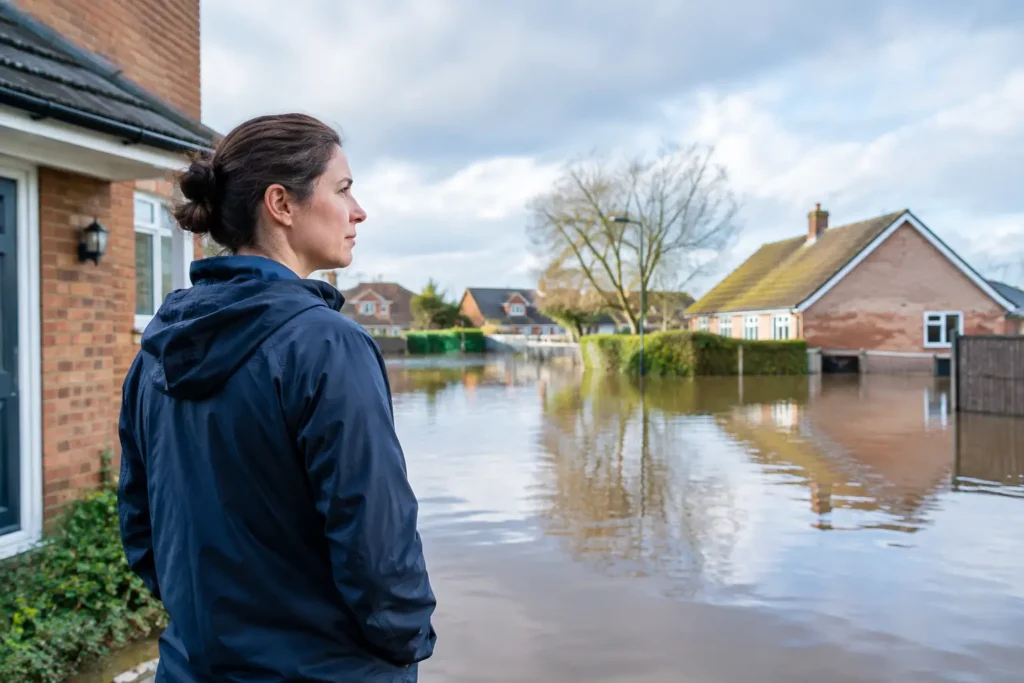
A flooded home can leave you dealing with far more than wet carpets and damaged belongings. If you need a flood damaged sale, you may be worrying about insurance, repair costs, mortgage payments and whether anybody will want to buy the property at all. The good news is that a sale is still possible. The right route depends on the extent of the damage, the property’s flood history and, most importantly, how quickly you need certainty.
For some owners, restoring the property and selling through an estate agent will make sense. For others, particularly where the costs and delays are mounting, selling in its current condition can offer a much clearer way forward.
Flood damaged sale: what buyers will consider
Flooding does not automatically make a property unsellable, but it does change the questions buyers, lenders and insurers will ask. A buyer will want to understand what happened, whether the home has flooded before, what repairs were completed and whether suitable insurance remains available.
The issue is not always the visible condition alone. Even after a property has dried out, buyers may be concerned about damp, timber damage, electrical safety, mould, damaged plaster and the risk of another flood. If the property is in a known flood-risk area, they may also consider the cost and availability of buildings insurance before committing.
That can make an open-market sale slower. A buyer may reduce their offer after a survey, their mortgage lender may ask for more information, or an agreed sale may fall through if insurance cannot be arranged on acceptable terms. This is particularly difficult when you are already under pressure to sell.
Start with clear facts, not guesswork
Before deciding how to sell, establish the property’s current condition as clearly as possible. If it is safe to do so, record the damage with dated photographs and keep copies of communications with your insurer, loss adjuster and contractors. If repairs have been carried out, retain invoices, guarantees and any reports confirming the work completed.
You should also be honest about past flooding. Sellers are expected to provide accurate information when asked about flood history and insurance claims. Trying to minimise or hide the issue can cause serious trouble later, including a buyer withdrawing or making a claim after completion.
Check whether the property is dry and safe
A home can look recovered before it is ready for occupation or sale. Floodwater can affect electrics, heating systems, flooring, insulation and walls. A professional assessment may be worthwhile where damage has been significant, especially if you plan to market the property as repaired.
If the property has been empty following a flood, keep it secure and well ventilated where possible. Vacant homes can deteriorate quickly, and further damp or vandalism only adds to the problem.
Understand the insurance position
Insurance can shape both the price and the pool of potential buyers. Find out whether the existing insurer will continue cover, whether a claim is still open and whether there are excesses or conditions a future owner needs to know about.
A property that can be insured is generally easier to sell, but a lack of straightforward cover does not mean there is no route forward. It may simply mean that a conventional buyer using a mortgage is less likely to proceed, while a cash buyer may be better placed to take on the risk and necessary work.
Your options for selling a flood-affected property
There is no single best answer. The sensible route depends on your finances, the property’s location, the scale of the work required and the timescale you are facing.
Repair first and sell through an estate agent
If insurance is funding most of the repair work, the property is in a desirable area and you are not in a rush, restoring it before selling may help you achieve a stronger price. A well-documented repair can reassure buyers, particularly where the flood was an isolated event.
The trade-off is time. Building work can take months, contractor availability may be limited and you may still face price negotiations once buyers see the flood history. You will also need to maintain the home, manage viewings and accept that a chain can create further uncertainty.
Sell at auction
Auction can attract investors and cash buyers who are comfortable with properties needing work. It can provide a defined timetable, which may suit someone who needs to move on quickly.
However, auction is not risk-free. You may need to commit to legal-pack costs and, depending on the type of auction, pay fees even if the result is disappointing. The final price can be hard to predict, particularly if buyers see extensive repairs or future flood risk as too great.
Sell directly in its current condition
A direct sale may be suitable if you do not have the funds, energy or time to repair the property before moving on. This can be particularly helpful after a failed sale, a rejected insurance claim, an inherited property or a rental home that has become more burden than investment.
A professional property buyer will assess the home as it stands and consider its condition, location, likely repair costs and your required timescale. The offer may be lower than the price of a fully repaired home on the open market, but it can remove the uncertainty of surveys, chains, repeated viewings and last-minute renegotiation.
Quick Property Sale can discuss a direct sale for difficult properties, including homes affected by flooding, without pressure to proceed. The aim is to give you a realistic option and help you decide whether it fits your circumstances.
Preparing a flood damaged property for sale
You do not need to spend heavily on cosmetic improvements if you are selling as-is. In fact, patching over serious issues without addressing the cause can make buyers more suspicious. Focus instead on making the situation clear and manageable.
It helps to gather four types of information before speaking to buyers or agents:
- photographs showing the property before, during and after the flood where available
- insurance claim details, settlement documents and correspondence
- contractor invoices, drying certificates and repair guarantees
- reports relating to electrics, damp, drainage or flood-resilience work
This paperwork will not remove a buyer’s concerns, but it shows that you are being open. It can also prevent unnecessary delays when a buyer asks questions later in the process.
If the flood was caused by a one-off issue such as a burst pipe, blocked drain or neighbouring property problem, make that distinction clear. Buyers will view an internal plumbing failure differently from repeated river, coastal or surface-water flooding. Equally, if you have installed flood doors, non-return valves, raised electrical sockets or improved drainage, explain what has been done and why.
What affects the price of a flood-damaged home?
The reduction in value can vary widely. A home with minor, fully repaired damage from a burst pipe may still attract normal interest. A property with repeated river flooding, unresolved damp, limited insurance options or major structural work required is likely to appeal to a narrower group of buyers.
Location remains important. A well-located home with strong demand may still sell relatively well once repaired, while a property in a weaker market may need a more realistic price to attract interest. The condition of neighbouring homes, local flood-defence measures and the evidence available all influence how buyers assess the risk.
Your own situation matters too. Holding out for the highest possible price can be right if you have time and funds available. But if mortgage arrears, an empty property, landlord holding costs or a pending relocation are putting you under strain, a quicker and more certain sale may have greater value than a higher figure months down the line.
When speed and certainty matter most
Flood damage can turn a home into a source of constant worry. You may be paying for a property you cannot live in, dealing with tenants who need rehousing, or trying to manage repairs from a distance. In those circumstances, it is reasonable to prioritise a clear end point.
Ask any prospective buyer direct questions about their process. Will they buy in the property’s current condition? Are there estate-agent fees? How long could completion take? Is their offer subject to a survey or finance? A straightforward answer helps you compare options properly, rather than focusing only on the headline price.
You do not have to solve every repair before deciding what to do next. Get the facts together, be open about the flood history and choose the sale route that gives you the most practical way to move forward. A difficult property situation does not need to keep you stuck.